News

News

Latest news and updates from our company

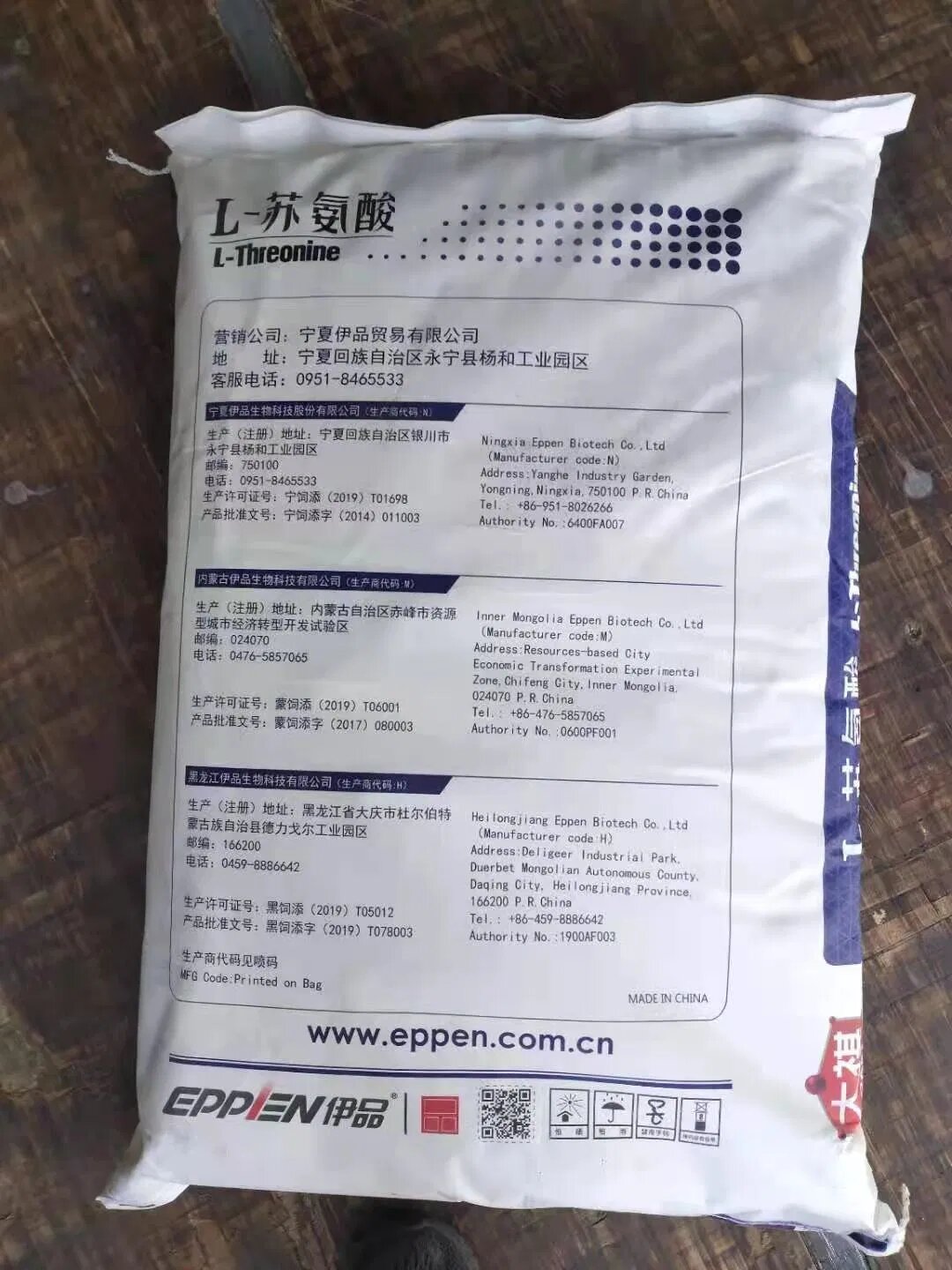
Ningxia Eppen Biotech Co Ltd Address: Yanghe
2026-05-06

Ningxia Eppen Biotech Co Ltd Address: Yanghe

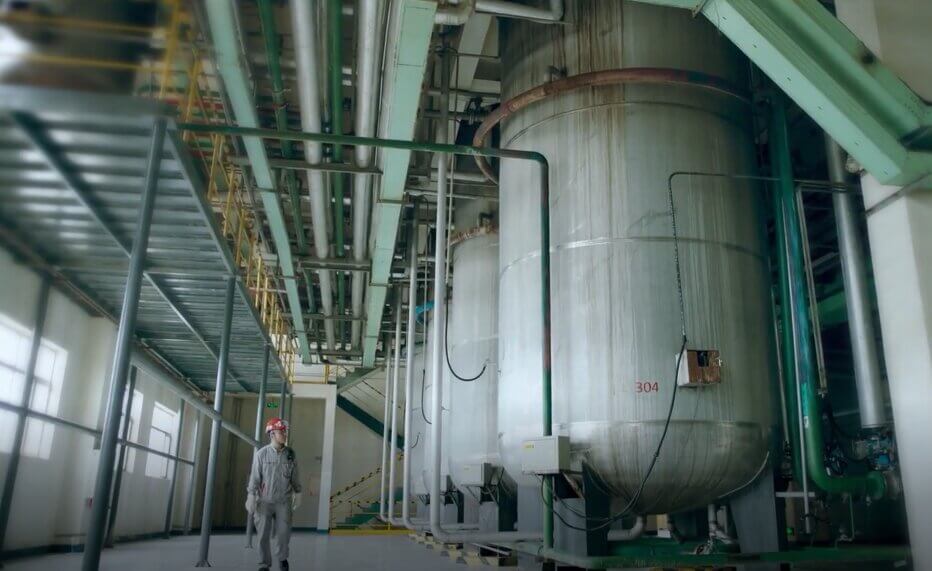
Manufacturing chemicals demands more than technological know-how—it asks for a deep understanding of the relationship between people and their environment. Looking out from the gates of our Yanghe facility, it becomes clear how the industry’s geography plays into both opportunity and responsibility. The landscape surrounding Ningxia’s industrial zone doesn’t just shape logistics; it instructs us on how to work alongside natural resources, ensure responsible supply sourcing, and keep our production reliable despite the changing seasons. Our operations in Yanghe, for example, draw on easy access to key feedstocks from local agriculture and commodity flows across northern China. The region is known for projects that push toward cleaner, more efficient energy, and that ethos forces every plant manager here to think about carbon footprints and resource stewardship daily. Oversight isn’t a bureaucratic speed bump here—it’s a lived reality, as neighbors and local partners, many of whom have family working inside our plant, expect us to run safe and clean. Supply chain conversations become personal quickly when the truck driver or the water analyst at the gate might be a childhood friend.Ningxia, long considered remote compared to coastal China, has emerged as a nexus for agricultural and biochemical feedstocks that rival any port city. Nearly every step of the manufacturing journey, from raw material intake through finished product delivery, improves with that sort of proximity. Grain, starches, and byproducts from regionally grown crops come in by short haul, cutting costs and decreasing handling risk. This tight circle minimizes delays and lets us adapt output rapidly based on real-world market conditions instead of distant boardroom forecasts. As a factory chemist, it is easier to trial new processes using local inputs, observe how seasonal shifts affect batches, and immediately adjust with the right expertise—often with advice from a partner who knows both the crops and the chemistry. It’s not just about saving a few yuan on freight or shaving a day from transit times; in a region like Yanghe, those savings become a source of competitive resilience. Fewer links in the chain mean less chance for things to go wrong, and every successful delivery cements relationships with local and international clients alike.Growth in chemical production can spark concerns from both authorities and nearby communities. In Yanghe, new infrastructure—today’s clarifiers, tomorrow’s solvent recovery towers—springs up not because of compliance checklists alone, but because daily reminders from workers and inspectors ensure every project stands up to scrutiny beyond minimum standards. Every plant here, including ours, faces local government audits, camera monitoring, and sometimes, public tours for school groups. This level of visibility pushes operations toward real reductions in emissions, improvements in waste recovery, and investments in water recycling. Years ago, wastewater could have left the facility untreated or under-tended, but now zero-discharge ambitions govern construction and expansion plans. Trust gets built batch by batch, export by export, until the neighborhood expects both economic benefit and environmental discipline.Every company plant relies on people willing to put in hours learning not just process chemistry, but all the nuances of today’s complex regulatory landscape. Yanghe’s talent pool comes from technical colleges, local universities, and even agricultural schools, meaning workers often know as much about cultivation as chromatography. Veteran operators walk new hires through process lines, showing why certain valves matter, how to spot an off-specification reaction, and when to escalate a deviation. Safety feels immediate when a chemical’s mistake carries noise, odor, or color—the kind problems can’t stay hidden for long in a close-knit operator team. Injury rates depend on continual training and a willingness to stop work if a hazard looks unfamiliar. We keep regular drills and review nearly every incident in open forums, looking for root causes and systemic blind spots. Growth for both worker and company hinges on recognizing that technical excellence and day-to-day discipline must go hand in hand.Global buyers, especially those downstream in food, feed, and pharmaceutical sectors, push for new grades and tighter specifications every year. Local realities require balancing that push with what Yanghe’s infrastructure and materials can actually support. Close coordination between technical and commercial teams ensures product development fits both end-use and the constraints of local supply. Small modifications to standard production might give a valuable edge—an improved amino acid profile, cleaner byproduct streams, or faster delivery. These shifts come from practical, line-level conversations, not just lab bench theory. New investments, such as membrane separation or continuous fermentation, only work if ground teams can run them efficiently with present-day utility systems and skillsets. In this way, regional character doesn’t limit innovation; it sharpens it, making sure every improvement returns value for both our facility and its community.Rules do not stand still in China’s chemical sector. Standards evolve as the nation places more weight on sustainability and international alignment. Auditors ask for more traceability, better documentation, and tighter risk management systems. Factory managers read new draft regulations as soon as they circulate, gathering teams to review what changes must take place to stay ahead. International buyers often layer on their own codes—food safety certifications, auditing plans, or sustainability scorecards. These demands collide with regional issues such as drought, supply interruptions, or shifts in labor availability. Sometimes this means retooling a process or rethinking a batch campaign overnight. Flexibility comes from experience; the operators who worked through past disruptions often spot looming issues early and recommend timely pivots. Success rides on more than a compliance checklist. It grows from a willingness to absorb uncertainty and share the lessons among teams both inside and beyond the facility perimeter.Every year, regional forums and on-site workshops drive new cycles of improvement. Collaborative projects with upstream and downstream partners often turn field observations into tested solutions, especially when a local supplier brings in better materials or a research institute shares new analytics. Data-sharing grows more frequent as buyers and partners look for proven supply chain resilience, real-time traceability, and evidence of sustainability outcomes. When energy supplies fluctuate, joint ventures with other local manufacturers provide backup, reduce bottlenecks, and keep process uptime consistent. Peer-to-peer knowledge transfer, often across generations of workers, helps maintain production integrity even as technology shifts. Small steps like digital process controls or AI-assisted quality checks come in only after side-by-side trials confirm they address real risks and don’t overcomplicate daily routines.Manufacturing in Ningxia’s Yanghe zone isn’t only about output. Daily work in the plant speaks to a quiet partnership between technology, resource use, and shared economic progress. Chemical manufacturing remains, at its core, a lived, evolving tension: between tradition and transformation, between scale and sustainability, and between global performance targets and local well-being. Long-term survival and growth hinge on practical action—grounded in real expertise—shaped as much by loyalty to the workforce and neighbors as by competitive ambition. Here, a commitment to continuous improvement isn’t corporate jargon, it’s how plant and community shape each other, one day at a time.

Read More
EPPEN ASIA PTE LTD
2026-05-06

EPPEN ASIA PTE LTD

In the business of chemical manufacturing, every name that reaches the headlines brings with it a rush of questions about competition, change, and where best to focus investment of time and resources. News surrounding EPPEN ASIA PTE LTD reminds us manufacturers that the chemical market in Asia is only getting more crowded and ambitious, especially across the specialty and bulk chemical segments. The recent growth in demand for high-quality surfactants, emulsifiers, and functional polymers stands as a clear sign that every player—with or without decades of legacy—must pay close attention to where development goes next. Price wars do surface now and again, but quality does the real talking, both in terms of consistent throughput and purity. For those of us with long-term contracts and dedicated synthesis lines, one priority has remained consistent: product traceability and batch reproducibility, with real-time monitoring tightly linked to supply chain transparency. Reliability anchors relationships in an era when end users ask tougher questions about source materials and sustainability.Chemical manufacturing doesn't happen in a vacuum. When new competitors like EPPEN ASIA PTE LTD start securing larger volumes of base chemicals, it ripples through the supply chain—especially for inputs such as ethylene oxide, propylene oxide, urea, or fatty alcohols. Access to quality feedstock often reveals who built long-lasting supplier relationships and who scrambles when prices surge or shipments delay at the port. Markets may flood with product, but manufacturers recognize that real differentiation happens upstream. Our purchasing teams forge direct contacts with source plants, monitor international tender outcomes, and sometimes step into production facilities to qualify material before it enters a reaction vessel. Clean inventory systems and robust analytical controls limit impurities long before batches hit the road for customer sites, and this commitment separates true producers from brokers. Facing supply chain shocks, factories rely on their local and regional teams to solve problems creatively—either retooling processes to fit available stock or investing in continuous technology to reduce waste, emissions, and off-spec runs.With public discourse now locked on sustainability and environmental impact, every chemical manufacturer faces stricter pressure from regulators and customers alike. News on competitors underscores the urgency to show progress toward lower-carbon output, better waste management, and safer workplaces. In the past, compliance meant ticking off documentation boxes. Lately, audits dig deeper into cradle-to-gate emissions, solvent recovery systems, and real-time effluent monitoring. Energy teams in our plants have learned the value of heat integration schemes and optimized reaction temperatures—not only for utility savings but also for demonstrating tangible steps toward greener production. In Singapore, Malaysia, and other regional hubs, local rules evolve faster than many international guidelines, highlighting why close ties with local agencies and cross-sector partners remain critical. We invest years into installing scrubbers, water recycling units, and digital sensors not because someone orders it, but because risk-averse customers demand data, evidence, and assurances. The shift toward bio-based chemistry—using coconut, palm, or castor raw materials instead of fossil-based pathways—represents a complex tradeoff in cost, availability, and processing expertise, yet this direction now shapes supplier conversations in ways unseen a decade ago.The emergence of new manufacturers like EPPEN ASIA PTE LTD also raises the bar for technical support. Any manufacturer can offer samples and spec sheets, but the deeper questions come from customers solving problems on factory floors, where a surfactant or additive needs to slot into an existing process and deliver predictable, testable results month after month. Technical teams spend weeks troubleshooting foaming in industrial laundry units, optimizing viscosity for adhesives, or refining crystallization in specialty fertilizers based on real feedback rather than lab-only trials. Customers expect not just the right product, but the know-how behind every drum and tote. These demands explain why we keep application chemists on hand who understand the quirks of textile mills, paint lines, and plastics extrusion, making it possible to build custom runs rather than sticking with off-the-shelf formulations. True partners deliver not just material, but insight, documentation, and on-site assistance when customers hit production snags. If a shipment arrives out of spec, it takes a phone call and an experienced troubleshooter, not just an emailed response.As the field grows more competitive with the presence of companies like EPPEN ASIA PTE LTD, manufacturers can't rely on automation alone. Trained operators, analytical chemists, and maintenance technicians carry the day whenever an unplanned shutdown threatens to derail output. Training programs take months, if not years, to equip coworkers with the safety skills, troubleshooting instincts, and technical curiosity required for specialty chemistry. Institutional knowledge—such as experience with complex distillation or reaction cleaning protocols—cannot be bought or copied, but must be built through apprenticeship and continuous in-house development. Mistakes at the reactor or blending stage could mean an entire batch scrapped, lost days, or a disappointed customer. Facilities that invest in their own talent—not just through onboarding, but through regular skills refreshers and incentivized improvement projects—end up with teams who can weather unexpected surges in orders or sudden formula adjustments. As new generations enter the field, demonstrating that manufacturing remains an innovative, skilled profession grows more critical, especially for holding onto expertise without letting it leak to consulting firms or competitors.EPPEN ASIA PTE LTD’s move into the landscape pushes every manufacturer in the region to assess not just production capability, but also resilience, innovation, and integrity. Big clients and government buyers increasingly want to see more than data on a spreadsheet; they expect reliability through every season, products that perform predictably, and transparent answers about ingredients and sourcing. Customers now ask pointed questions about carbon footprint, human safety, logistics reliability, and response time during disruptions. Those of us with decades in the business know that looking backward rarely secures future contracts. Markets shift, product tastes change, and even the best-laid investments require regular review. Success grows from practical risk assessments, strong communication between production and technical teams, long-standing supplier partnerships, and stubborn attention to what happens inside the plant every day.

Read More
EPPEN NETHERLANDS BV
2026-05-06

EPPEN NETHERLANDS BV

As a chemical manufacturer serving markets across Europe, we keep a close eye on developments within the region, especially among our industry peers like EPPEN NETHERLANDS BV. Their facility in the Netherlands reflects a trend that many manufacturers face: a push for higher efficiency and sustainable output while under pressure from shifting regulations and customer demands. Manufacturing now means much more than just making chemicals; it involves safeguarding operational reliability, sustainability, and transparency at every stage. For decades, we have found that European manufacturers, especially those working under the close scrutiny of Dutch authorities, share the same challenges that we see daily—logistics slowdowns due to border checks, new environmental permit requirements, and rising labor costs. Each policy change or market shift carries a ripple effect across companies like ours, whose operations hinge on trust, timely delivery, and consistently high product quality. Our production lines, just like those at EPPEN NETHERLANDS BV, face a constant evolution in regulatory guidelines. REACH updates, stricter emission thresholds, and frequent inspections play a growing part in our daily planning. Maintaining robust documentation for both Dutch and broader EU authorities takes significant time and resources. For us, every new law means more paperwork and, occasionally, process redesigns. Years ago, we adjusted several reactor zones after the Dutch introduced stricter ammonia emission caps. Doing so cost us unexpected downtime and a round of consults with engineering and compliance partners. The reality for everyone, including EPPEN NETHERLANDS BV, is there is no shortcut; proper environmental controls demonstrate real-world responsibility, protect our license to operate, and enhance relationships with the community, even as they add operational cost.Customers count on chemical manufacturers for reliability, technical support, and fast turnaround, but now, there is rising demand for operational transparency. Our peers in the Netherlands set high standards and publicize audits, traceability, and regular performance updates—trends that we also follow to satisfy our global clients. Years of feedback from multinational partners confirm that transparency and traceability win long-term contracts far more than price wars. We discovered that proactive sharing of audit results or environmental data creates strong trust. For example, after publicizing our carbon reduction achievements, we saw a measurable uptick in new inquiries from buyers across northern Europe. EPPEN NETHERLANDS BV benefits in the same way; their compliance with Dutch and European standards provides additional assurance for downstream industries and global trading partners.EPPEN NETHERLANDS BV, like our own company, relies on intricate supply chains that span continents. Raw material shortages, shipping delays, and price spikes are daily risks. We still remember last year’s port bottlenecks, which left us scrambling for replacement suppliers for key precursors. The lesson remains clear: building local supplier networks reduces risk, but keeping strong ties with overseas partners preserves flexibility. Chemical manufacturers across Western Europe face constant balancing acts between cost, resilience, and predictability. For their part, EPPEN NETHERLANDS BV likely implements rigorous material source verification—an approach we have adopted ourselves after learning that any disruption could stall production or threaten product quality. Building direct supplier relationships remains the best way to weather the next global logistics shock. Sustainability is far from a marketing slogan inside a chemical plant. We have witnessed firsthand how investments in energy efficiency and circular processes deliver long-term payoff—most recently by cutting production costs as energy prices soared. Dutch regulations often nudge companies toward these improvements ahead of wider EU rules. For EPPEN NETHERLANDS BV, investments in waste valorization, heat recovery, or cleaner feedstocks give them both a compliance cushion and a competitive edge. We have seen similar payback here; after switching to a closed-loop water system, we met new discharge requirements and cut water bills in half. Cultural expectations run high in the Netherlands, demanding visible and verifiable steps toward carbon neutrality. As a manufacturer, these shared expectations accelerate technical progress, but they also require continuous learning, capital spend, and frequent technical upgrades. The willingness to share technical know-how—not just within the company, but across industry groups—amplifies results. Success for one plant in the region often brings faster adoption across peer facilities, forcing all manufacturers to keep pace with best practices.Dutch and European chemicals markets continue to evolve, and EPPEN NETHERLANDS BV, along with fellow producers, faces future scenarios marked by both risk and opportunity. Market demand for greener, safer chemicals keeps rising among European buyers and global partners. Our long-term contracts increasingly require clear evidence of sustainable sourcing, greenhouse gas reductions, and workforce safety education. Being proactive about these shifts shields us from regulatory penalties and strengthens customer loyalty. Every manufacturer in the region, from Rotterdam to the Eemsdelta, has a direct stake in the outcome—the industry’s collective reputation shapes political decisions, regulatory responses, and even financing costs. Learning from the steps taken by peers like EPPEN NETHERLANDS BV, and sometimes sharing our own hard-won solutions, elevates the whole sector. Chemical manufacturing in the Netherlands, based on reliability, trust, and constant improvement, sets a meaningful benchmark for how production can move forward in a resource-constrained, high-expectation world.

Read More