Eppen Lysine
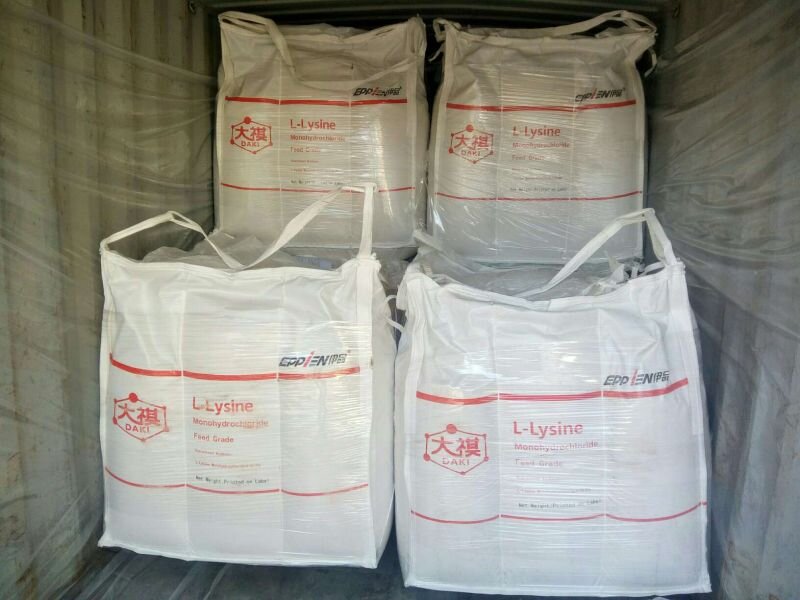
Our team puts on their safety shoes each day with a shared purpose: producing pure, consistent lysine. News stories come and go; what lives on is the responsibility we carry for those who depend on our product. Lysine never took the spotlight by accident. It stands among the most vital amino acids in animal nutrition, particularly for swine, poultry, and aquaculture. Seeing headlines about trade, pricing, or global shortages remind us that people often overlook what goes into a simple bag of lysine—years of process optimization, relentless controls, and a respect for the supply chain. At our factory, challenges don’t present themselves as abstract market forces—they arrive as interruptions in fermentation, raw material price spikes, or unpredictable utility costs. We know by now, glucose and carbohydrate sources keep the bioreactors humming, but those inputs rarely settle at a fixed price. Corn, wheat, tapioca, or cassava rise and fall with weather and geopolitics, and this has direct impact inside our gates. Down the road, livestock producers rely on predictable supply and pricing. If cost shifts in the lysine sector ripple outwards, feed costs change overnight, then supermarket shelves follow. These cause-and-effect cycles are not theory to us—they guide our every improvement. Our customers ask plenty of tough questions, especially when new players emerge in the lysine market or when a story surfaces about changes in oversight or production standards. Farmers and compounders want to know: Will the lysine meet promised guarantee? Are there new contaminants or variations batch to batch? Consistency holds more value to them than clever labeling or one-off discounts. Our analysts sample and retest for purity, moisture, and other technical properties before we even consider shipment. It doesn’t take a microscope to understand that loss of confidence in quality can set a manufacturer back years in a market as unforgiving as animal feed. Few reporters mention how closely we watch logistics and supply delays. There's a common belief that a globalized market makes everything cheaper and faster. In reality, a single port shutdown or customs dispute halts the flow of lysine straight from our warehouse. We have sat through meetings during raw material shortages, rerouting railcars or finding alternate shipping lines on painfully short notice. These aren’t problems a spreadsheet solves; they require teams who’ve experienced past crises, tracking every drum and bag to make sure feed mills never run dry. Traceability matters—the ability for us to show, at any point in our process, where our lysine came from and how it reached the customer. Animal producers face ever-growing pressure for transparency. Government agencies and international organizations inspect with increasing stringency, and we prepare for this not with paperwork, but with embedded controls, disciplined operator procedures, and a culture where cutting corners is never allowed. A common misunderstanding outside the industry is that lysine plants operate on chemical autopilot. Our operators and chemical engineers rotate shifts, monitoring air emissions, water consumption, and leftover fermentation byproducts. We invest heavily to minimize waste, recover energy, and make use of residual nutrients as feedstock or agricultural fertilizer. These are deliberate choices—both for compliance and for the long-term acceptance of our presence in local communities. When a story focuses purely on the finished product, it misses the reality that neighborhood relationships—noise levels, odors, wastewater—matter just as much in keeping a plant running as price and supply. We also believe local jobs and skills development form part of any real sustainability. Most of our hires come from the region, and we never forget the importance of knowledge transfer and training. This means fresh chemical technicians get up to speed on GMP, HACCP, and other controls so they can continue keeping the lysine lines moving safely and efficiently. Juvenile employment or temporary labor doesn’t cut it in our environment—our process complexity demands a workforce that truly understands both the science and the local context. Cost pressures and margin squeezes challenge us, but we look for solutions within reach. Process improvements—greater fermentation yields, tighter process control, smarter use of heat and water—come from daily work, not from one-off technological claims. Whenever the broader market brings up talk of "Eppen Lysine" and its global price role, we know most people picture spreadsheets, not shift logs matted with dust, sensor printouts, silo fill lists, or the posted energy budgets. Thinking about market headlines, we look well beyond this season’s price swings. Years have taught us that real resilience calls for heavy investment, not just in reactors or pipelines, but in teams that never stop questioning how to do things better. Safety, rigorous quality verification, water and energy efficiency—none happen automatically. Feedback from animal production partners and feed compounders turns into action every day inside our plant. Each time a story about "market turbulence" pops up, we remember the hard lessons learned the last time a vessel delayed in port or a shipment came up short on assay. The stories that matter to us are written by every operator, technician, and dispatch coordinator dedicated to sending out the next load of clean, dependable lysine to the world. Mobile: +8615371019725 E-mail: sales7@alchemist-chem.com Website: www.eppen-biotech.com